
Blue Prince
A drafting-roguelike-mystery-puzzle-box that sounds like a genre salad on paper and plays like nothing else has in years — Mt. Holly deserves every bit of the acclaim it's gotten.
Media
Describing Blue Prince accurately makes it sound like it shouldn’t work. It’s a first-person roguelike deck-building escape room mystery puzzle game about redrafting a mansion’s floor plan every morning, hunting for a legendary hidden room while investigating a decades-old disappearance. More than a year after launch, with a 92 on Metacritic and endorsements from the likes of Inscryption’s Daniel Mullins and Balatro’s LocalThunk, the case has been thoroughly made: it does work, remarkably well, and it’s still one of the most original things released in its genre in years.
You’re the heir to Mt. Holly, a manor that resets its internal geography every dawn. Standing at a closed door, you choose which of several room options gets built behind it, and that choice cascades — a kitchen might feed you, a workshop might arm you with tools, a hallway might just eat your limited daily steps for nothing. Getting deep enough into the house before your resources run out, day after day, is the entire game, and the goal chasing you the whole time is the rumored Room 46.
Drafting a house is a better idea than it sounds
The room-drafting system is Blue Prince’s engine, and it keeps generating fresh decisions far longer than a description of it suggests it should. Every choice is a trade-off against limited steps, keys, and resources, and the game is constantly introducing new room types, tools, and interactions that recontextualize decisions you thought you’d already figured out. It’s rare for a roguelike’s central mechanic to still feel like it’s teaching you something forty-plus hours in, and Blue Prince manages it by treating the mansion less like a level generator and more like an actual puzzle box with layers underneath layers.
Runs reset each dawn, but progress isn’t purely cosmetic — permanent upgrades to the estate’s blueprint persist, and finding them is what turns early, flailing runs into confident, purposeful ones later on. That structure gives the roguelike loop real long-term shape instead of the genre’s more common feeling of just getting better at the same starting conditions.
A mystery worth the notebook
Underneath the drafting mechanics sits a genuinely absorbing investigation — blackmail, political intrigue, and the disappearance of a local children’s author, pieced together through environmental details scattered across a house that’s different every time you enter it. The game trusts players to actually pay attention and connect things themselves rather than signposting every answer, and it rewards the kind of obsessive note-taking that Blue Prince has become genuinely known for inspiring in its community. That trust is a double-edged sword: this is not a game built for half-attention, and a handful of its later puzzle chains hinge on details easy to miss the first, second, or even third time through.
Where the friction is real
The steep, mostly self-taught learning curve is a legitimate barrier, and Blue Prince offers little in the way of hand-holding to get newcomers oriented in its systems. Runs can also end fast on a genuinely unlucky draft, and players who find variance actively frustrating rather than tense will bounce off harder than fans of the genre typically do. Neither is really a flaw so much as a design choice the game commits to fully — but it’s worth knowing going in.
Verdict
Blue Prince earns the reputation that’s built up around it since launch: a strategy-puzzle hybrid that keeps finding new things to do with an idea that already sounded fully formed on day one, wrapped around a mystery genuinely worth the effort of solving. The learning curve and its reliance on variance will cost it some players, but for anyone willing to grab a notebook and actually engage with Mt. Holly on its own terms, this remains an easy, enthusiastic recommendation more than a year on.
More to read
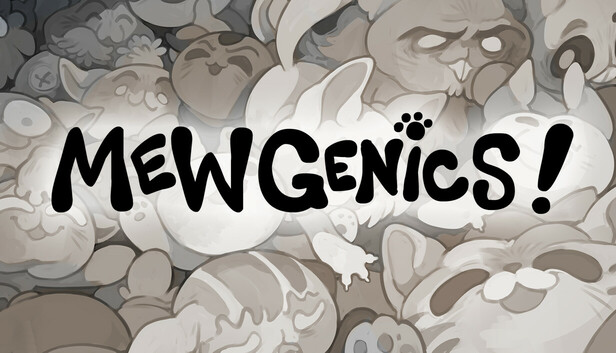
Mewgenics
Thirteen years in development hell produced something genuinely singular — a filthy, funny, endlessly deep tactics roguelike about breeding cats to send to war.
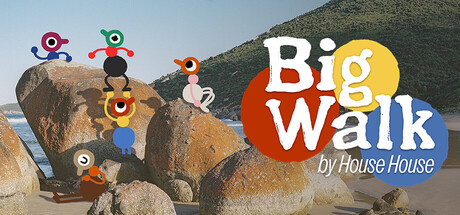
Big Walk
The Untitled Goose Game studio made a co-op adventure about *talking* — and it's the most charming, quietly inventive multiplayer game of the year.
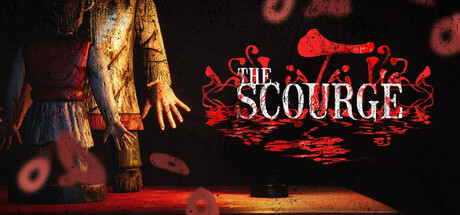
The Scourge | Tai Ương
A psychological horror game that trades jump scares for genuine dread, built on a setting almost nothing else touches — 1990s Saigon urban legends and generational trauma. The mechanics underneath the atmosphere are thinner than the story deserves.
Comments
0